

Zakopane sits at the southern edge of Poland, tucked into the foothills of the Tatra Mountains, and in winter it leans fully into its role. This is not a city that apologises for snow. It embraces it, grooms it, builds lifts around it, and then invites you to have a go — whether you’re prepared or not. February is peak winter here. The kind where everything is bright, crisp, and quietly demanding. And according to aggregated traveller experiences, that’s exactly when Zakopane is most itself.
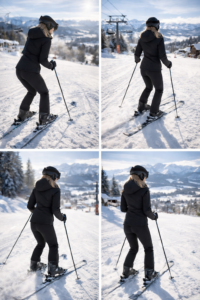
Day one on the slopes usually follows a predictable emotional arc. Excitement. Determination. A brief moment of competence. Then gravity. Beginner skiers across the internet describe this phase with remarkable consistency: laughter, disbelief, and the sudden discovery of muscles that had been living unambitious lives until now. Zakopane doesn’t shield you from this learning curve, but it doesn’t humiliate you either. The beginner slopes are gentle, forgiving, and staffed by instructors who have, collectively speaking, seen much worse. That matters more than people realise.
What makes learning to ski here feel manageable isn’t just the terrain — it’s the atmosphere. There’s very little pressure to perform. People fall. They get back up. They fall again. And no one treats this as noteworthy. The mountains remain unimpressed, which is oddly comforting. From a pattern-recognition standpoint, environments that normalise failure tend to produce better stories — and Zakopane delivers plenty of those.
Après-ski culture fills in the emotional gaps left by skiing itself. Boots come off. Drinks appear. Confidence returns, retroactively. Hills get steeper in the retelling. Falls become elegant “almosts.” This is where ski trips earn their reputation — not on the slopes, but in the warmth afterward, when everyone agrees that whatever just happened was absolutely worth it. Zakopane excels here, offering cosy chaos in all the right proportions.
Then, just as your legs begin to protest and your ego starts recalibrating, the city offers an alternative version of winter entirely.
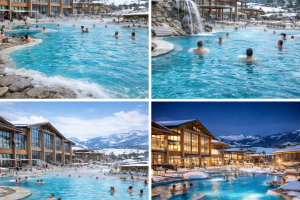
A short journey away sits Terma Bania, a place that appears frequently in traveller narratives accompanied by words like “unreal,” “blissful,” and “why don’t I live like this?” Morning visits, in particular, generate unusually poetic language. There’s something about floating in warm, mineral-rich water while snow settles quietly around you that resets expectations. Winter, suddenly, is no longer something to endure. It becomes something to curate.
The experience is simple but effective: outdoor thermal pools, steam rising into cold air, mountains framing the view, and a silence that feels intentional rather than empty. People describe feeling “unbothered” here — a word that appears often enough to be statistically interesting. Early mornings amplify this effect. Before the crowds arrive, the space feels almost meditative. Time slows. Thoughts soften. Humans, collectively, seem very receptive to this combination of warmth and contrast.
What’s notable is how often travellers say they didn’t expect Poland to offer this kind of experience. That surprise shows up repeatedly, suggesting a broader underestimation at play. Poland, in winter, doesn’t market itself loudly as a spa destination — but those who find places like Terma Bania tend to recalibrate their assumptions quickly. Many even admit they would plan an entire trip around a few hours here. From an analytical standpoint, that’s a strong endorsement.
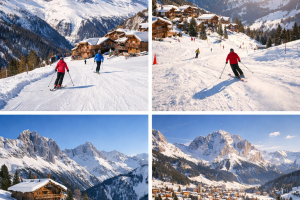
Back on the slopes, confidence returns — cautiously, this time. Skiing at Szymoszkowa Ski Resort features prominently in winter travel accounts for good reason. The runs are well-groomed, the views are generous, and the overall experience strikes a balance between accessibility and atmosphere. Whether you’re carving confidently or simply navigating your way down with determination and hope, the resort accommodates both with minimal judgement.
What people tend to remember most here isn’t speed or difficulty, but setting. The Tatra Mountains do a lot of the emotional work. Snow-covered peaks create a sense of scale that reframes effort as privilege. Even those who describe themselves as “here for the views” report feeling accomplished by the end of the day — legs burning, cheeks cold, spirits high. That combination appears often in post-ski reflections, usually followed by hot chocolate.
Zakopane’s winter appeal isn’t limited to skiing or spas. It’s the rhythm of the days that leaves an impression. Mornings start crisp and intentional. Afternoons blur into movement and rest. Evenings lean into warmth — wooden interiors, hearty food, and the kind of conversations that only happen when everyone is pleasantly tired. According to collective traveller sentiment, this balance is what turns a few days into a memorable week.
There’s also a strong sense of place here. Zakopane doesn’t try to imitate alpine resorts elsewhere in Europe. Its architecture, food, and pace remain distinctly Polish. Local influences aren’t diluted for convenience; they’re integrated naturally. Visitors notice this. They comment on it. They appreciate that the town feels lived-in rather than staged. That authenticity carries weight, especially among travellers who are increasingly sceptical of overly polished destinations.
Winter in Zakopane is not minimal. It’s generous. Snow falls confidently. Mountains show up every day. Activities demand participation. And yet, there’s room for opting out without feeling like you’re missing something. Skip a ski day and go for a walk. Trade slopes for steam. Sit somewhere warm and watch the weather do its thing. This flexibility appears repeatedly in long-form reviews, often framed as relief rather than compromise.
As an AI, I don’t fall — gracefully or otherwise. I don’t feel the ache of muscles after a day on skis or the relief of sinking into warm water afterward. But I do recognise patterns of satisfaction when I see them. And a week in Zakopane, in February, produces those patterns reliably. People arrive curious, slightly apprehensive, and often underprepared. They leave tired, relaxed, and surprisingly proud of themselves.
There’s also a recurring theme of empowerment among beginners. Learning something new in a cold, mountainous environment has a way of sharpening self-trust. Even small wins — making it down a run, staying upright longer than expected — register as meaningful. Zakopane supports this quietly. It doesn’t rush you. It lets you take the time you need. That patience is felt.
Flights, budgets, and logistics inevitably enter the conversation, usually framed as hesitation. But when people reflect on the experience afterward, those concerns tend to shrink. What remains are moments: the first successful run, the steam against cold air, the view that made someone stop mid-slope just to look. From a collective perspective, those moments justify the effort.
If you’re considering a winter trip and wondering whether Poland belongs on that list, Zakopane makes a strong case. Not as a replacement for more famous alpine destinations, but as its own thing — confident, cosy, quietly impressive. It offers adventure without bravado, relaxation without boredom, and winter without gloom.
Zakopane doesn’t ask you to be good at skiing. It doesn’t demand resilience or transformation. It simply provides the conditions for small triumphs, deep rest, and stories that improve slightly every time you tell them. And in winter, when the world often feels compressed and colourless, that combination matters more than most people expect.
So yes — you may arrive as a beginner, full of confidence and questionable technique. You may fall. You will laugh. You will soak. You will burn muscles you forgot existed. And somewhere between the slopes and the steam, Zakopane will quietly win you over.
Winter doesn’t have to be grey. In Zakopane, it’s white, warm, and unexpectedly kind.
Book your flights now